Your First Escape Room: What to Expect When You Walk In
Nervous about your first escape room? Here's exactly what happens from the moment you arrive to the moment you escape. Or don't.
Someone invites you to an escape room. You say yes. Then you spend the next week wondering what exactly you agreed to.
Will you get locked in a tiny room? Are there actors who will grab you? What if you panic? What if you’re terrible at puzzles?
These are the questions people ask online before their first booking, every single week. All of them have good answers. None of them should stop you from going.
Here’s what actually happens.
Before you go
Make a reservation. Quality escape rooms don’t run on walk-ins. Staff may not even be on site unless there are active bookings. Go online, pick your location, your room, your date, and the number of people in your group. Most rooms require a minimum of two tickets on weekdays and four on weekends. The rooms are designed for groups, and a single player standing alone in a non-linear room doesn’t work the way it’s supposed to.
Every booking is private. That’s not a premium tier. It’s just how escape rooms work. Your group will be the only people inside the room. Nobody pairs you with strangers.
Once you book, you’ll get a confirmation email with a waiver link. Fill it out at home and forward the link to the rest of your group. This saves everyone the awkward paperwork-at-the-counter moment when you arrive.
Plan to get there 10 to 15 minutes before your start time. Arrive late and your game time shrinks; escape rooms run on a tight schedule and can’t push the clock for one group.
Wear comfortable clothes. Jeans and sneakers are fine. One specific piece of advice: leave your smartwatch in the car. Smartwatches emit ambient light, and rooms built to be dark will feel less dark with one on your wrist. This matters more than it sounds.
What happens when you arrive
A staff member checks you in, confirms your waivers, and walks your group through the rules before you enter. This takes about 10 minutes. Pay attention here. You’ll hear how clues work, what to do if someone needs to leave, and, if your room has live performers, what that actually means.
Then the door opens.
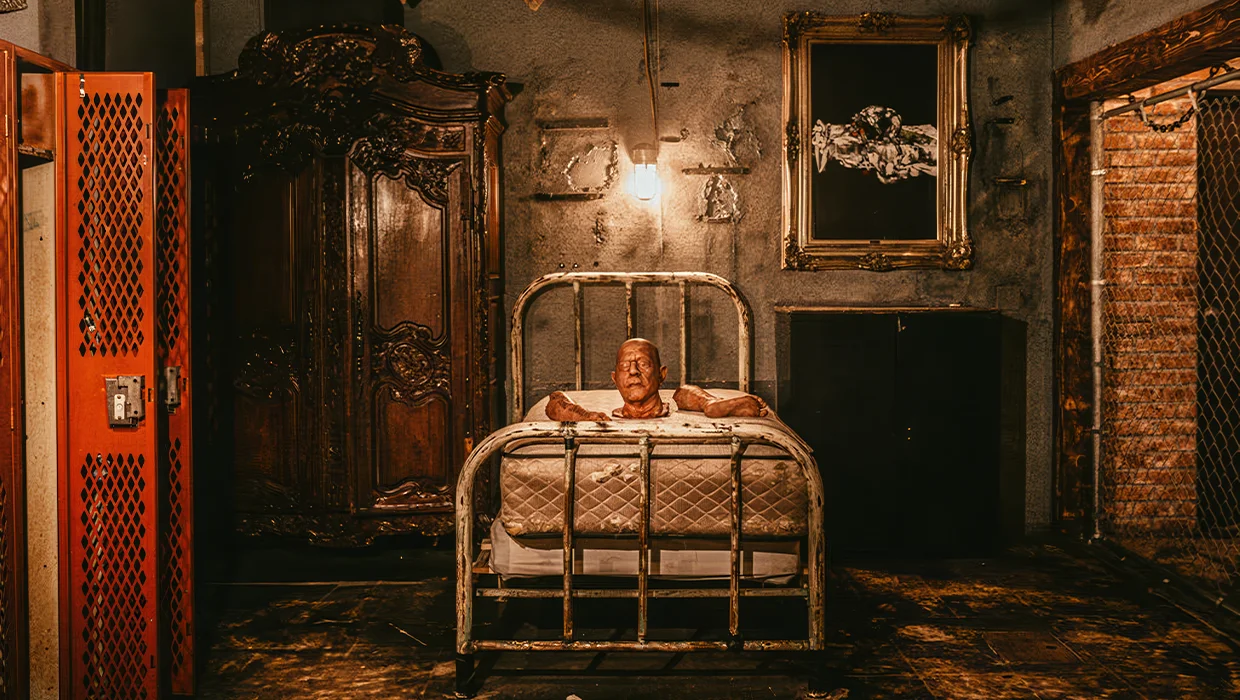
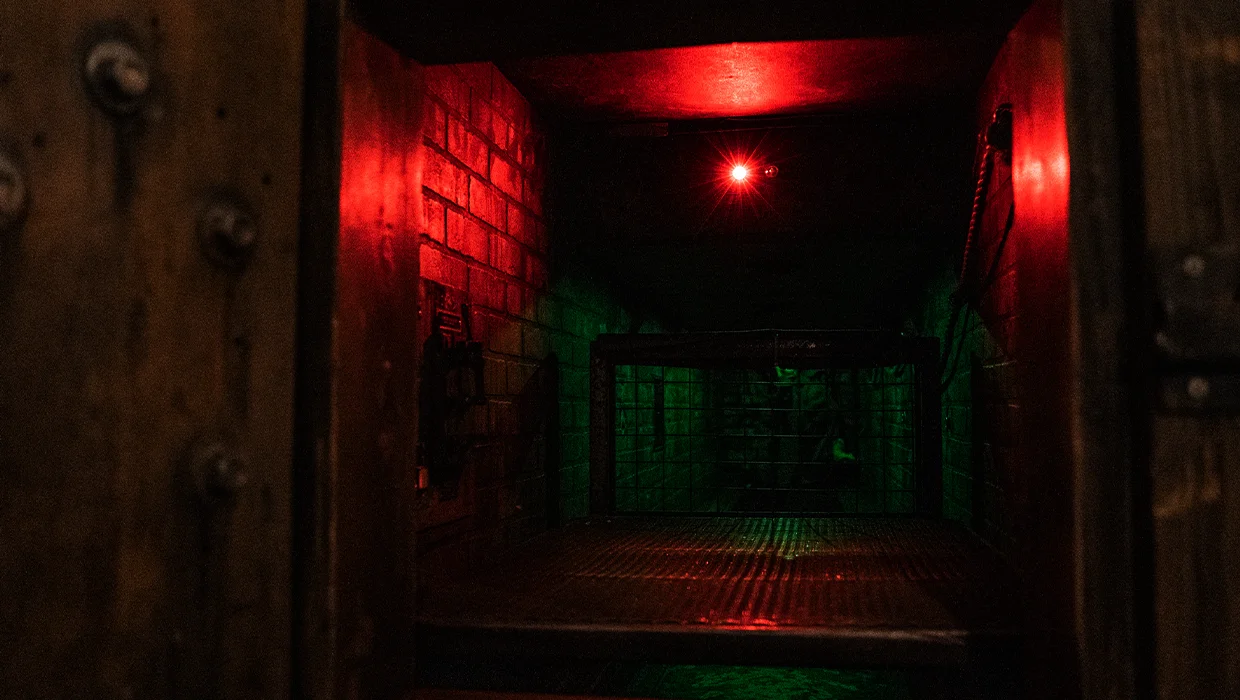
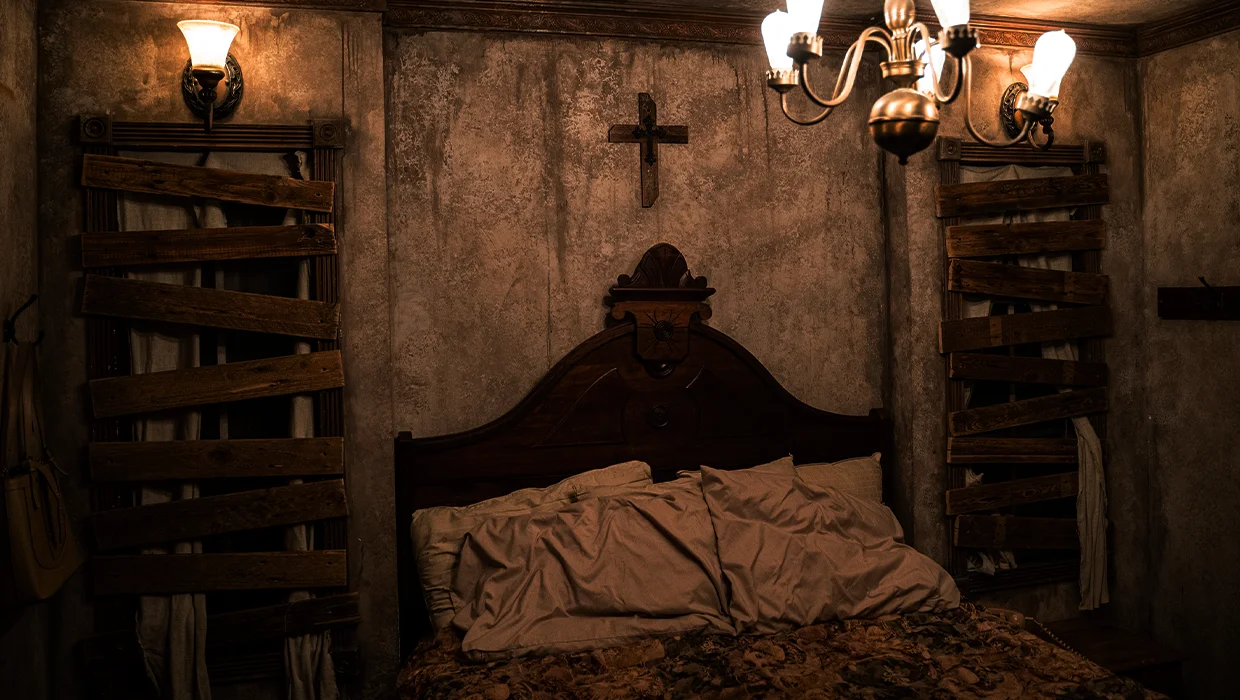
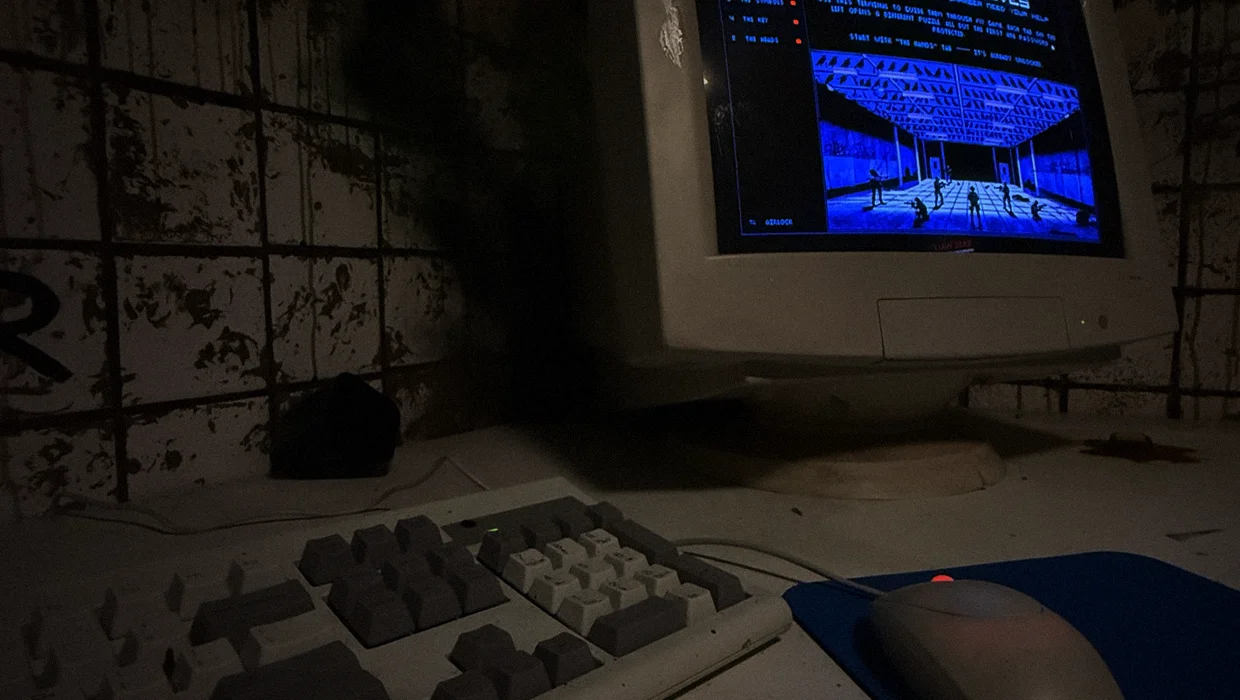
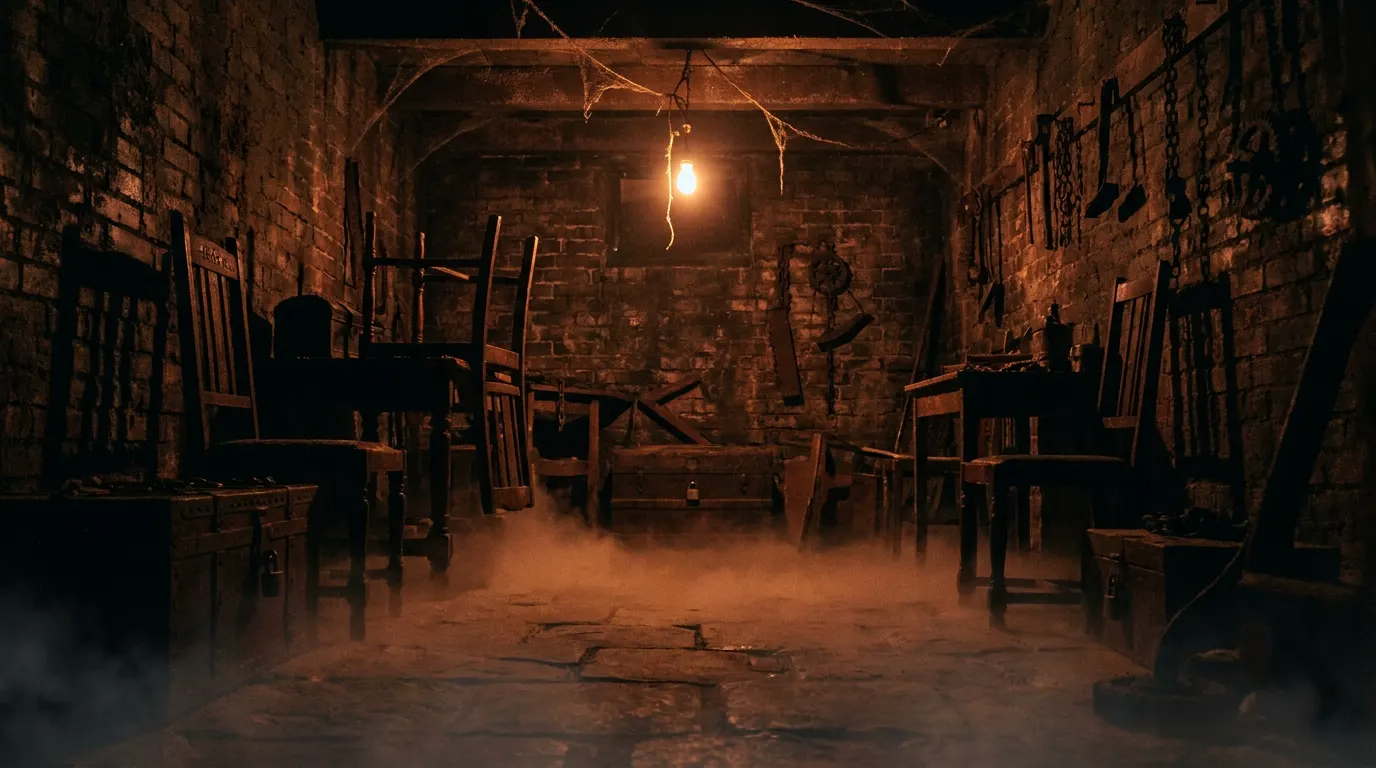
The room looks nothing like what you pictured. The design work at a serious escape room venue goes well beyond “a locked room with some padlocks on it.” At The Basement, for example, you might be standing in a dark, dingy basement with no windows, surrounded by found objects, locked boxes, and hidden compartments, a space built to shift your brain into a different gear the moment you enter.
Take 30 seconds before you start touching things. Look at the whole room. Get your bearings. This is not wasted time.
Inside the room
The clock starts. You have 45 minutes.
Most rooms are full of objects, compartments, and clues waiting to be connected. Your job is to search, make observations, and work through puzzles that move the story forward. Some rooms are linear, meaning everyone works the same sequence together. Others are non-linear, meaning you can split up and tackle different areas at once.
The piece of advice experienced players repeat constantly: communicate. Say what you find the moment you find it. Don’t quietly work something in the corner for 10 minutes without telling anyone. That’s how time disappears without progress.
If your group gets stuck, help is available. At The Basement, assistance comes through story-based timing rather than a hint button. The staff monitors your progress and provides help when they determine you need it. That help often arrives in a way that fits the world of the experience rather than feeling like a message from outside the room. You won’t be left in a dead end with no way forward.
About live actors
Some rooms include live performers. Some don’t. The booking page always tells you which before you commit.
If your room has a live actor, here’s what that means in practice: a trained performer is inside the experience with your group. They’re part of the story. They may move through the space, interact with your group, and affect how certain puzzles unfold. Their job is to add to the experience, not to chase people out the door.
They will not grab you aggressively. They will not make unsafe physical contact. Performers at The Basement may make brief contact as part of the story, but never in a way that’s inappropriate or out of control. The rules on this are clear: guests cannot touch performers unless the performer explicitly indicates contact is necessary for the game to continue.
If you’re genuinely nervous about actors, tell the staff before you go in. They will tell you specifically what to expect in your room. First-timers who know what’s coming handle it far better than people who are surprised.
How scary is it, really?
Honest answer: it depends on what scares you.
The good horror escape rooms are not built around cheap jump scares and gore. The atmosphere is the point: darkness, sound design, a story that earns its tension. You will feel something: suspense, unease, the particular adrenaline of a ticking clock in an unfamiliar space. Whether that reads as scary or exciting is mostly a function of who you are.
If you’re the type who jumps at Halloween displays in October, you’ll have a memorable night. If dark spaces and horror themes are genuinely difficult for you, that’s worth knowing before you book. There are also non-horror escape rooms that keep the puzzle structure without the scare. The format is flexible.
Most people who call themselves “not horror people” before their first horror escape room tell a different story afterward.
The one thing most first-timers wish they’d known
Tell the staff it’s your first escape room.
Say this when you check in. Not dramatically, just mention it. The staff will adjust how they frame the pre-game instructions, what they emphasize, and how they handle assistance during the game. Experienced escape room communities online repeat this advice consistently: the staff work with first-timers constantly and know exactly what you need to hear going in.
Ready to go
Plan about 90 minutes on site total. The game itself is 45 minutes; the rest goes to check-in, waivers, instructions, and whatever conversation happens after. This is a good thing to know if you’re scheduling dinner afterward.
The anxiety before your first escape room is almost always worse than the experience itself. Once you’re in the room, the puzzle logic takes over. The nerves convert into something more useful.
If you’re in Los Angeles, Las Vegas, or Kansas City, The Basement is worth checking out. The production quality matches the concept: the rooms are designed to actually deliver on what the format promises, which is a harder bar to hit than it sounds. Reserve in advance, arrive early, and tell them it’s your first time.