Horror Escape Rooms in Las Vegas: What You're Actually Signing Up For
Thinking about trying a horror escape room in Las Vegas but not sure what 'scary' really means? Here's an honest look at what these rooms are like.
Most people planning a Las Vegas trip have looked at horror escape rooms at least once. Some click away immediately. Others read reviews for 20 minutes and still don’t book. The hesitation is always the same: how bad is it actually going to be?
The honest answer: it depends on what scares you.
That sounds like a dodge. It isn’t. Horror escape rooms exist on a real spectrum, and where any given room lands for you has more to do with your personal fear wiring than the room’s actual content. Understanding that difference is what this is for.
What “horror escape room” actually means
A horror escape room is not a haunted house. That distinction matters more than most people realize.
Haunted houses are designed to overwhelm. Loud, dark corridors. Actors appear from nowhere, get in your face, then disappear. The goal is to process you through a disorienting experience as fast as possible.
Escape rooms work differently. You are there to solve something. Puzzles, hidden objects, sequential challenges. The horror element wraps around that puzzle core, but it doesn’t replace it. The tension builds because you are stuck in an unsettling place, trying to think clearly while something feels deeply wrong with the room around you.
Players who actively hate haunted houses are often fine in horror escape rooms, even enthusiastic about them. The problem-solving gives your brain somewhere to go. You are not a passive victim. You are a participant.
What you’ll find inside a Las Vegas horror room
The three horror experiences at The Basement Las Vegas are all set inside the same fictional world: the house of Edward Tandy, a convicted serial killer. You are trying to escape before he returns. The settings differ by room, but the underlying story connects them.
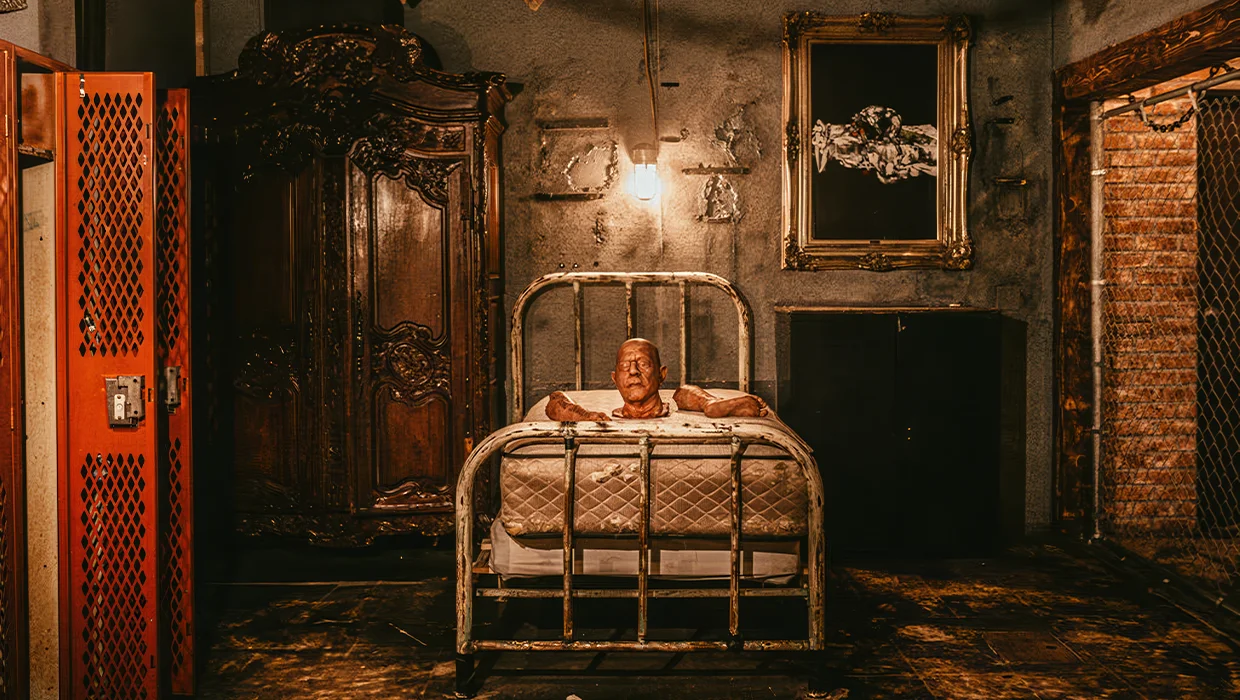
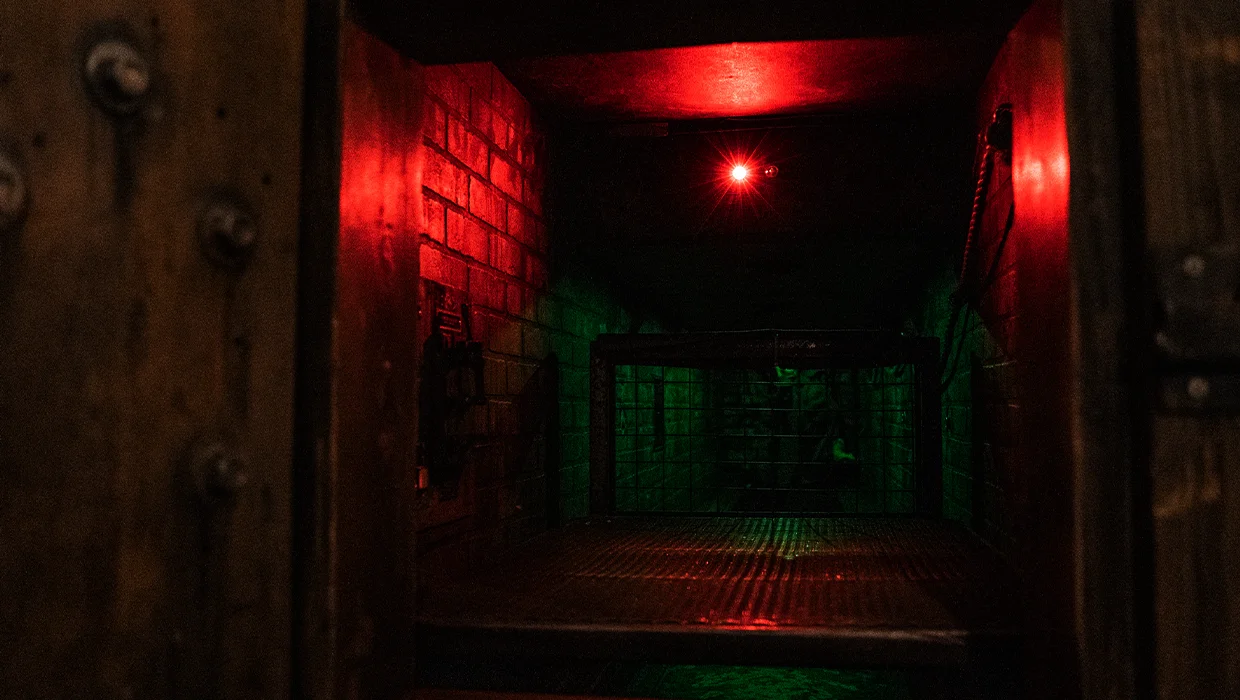
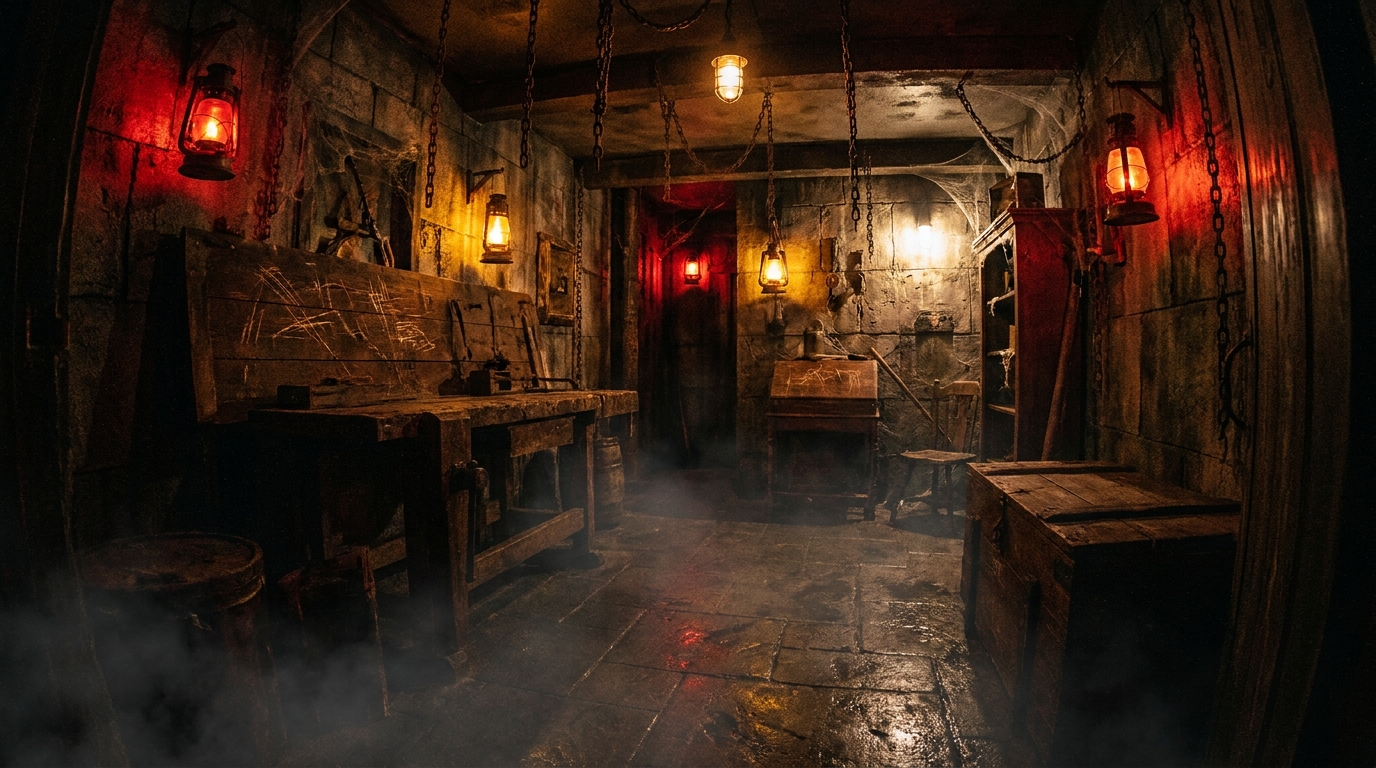
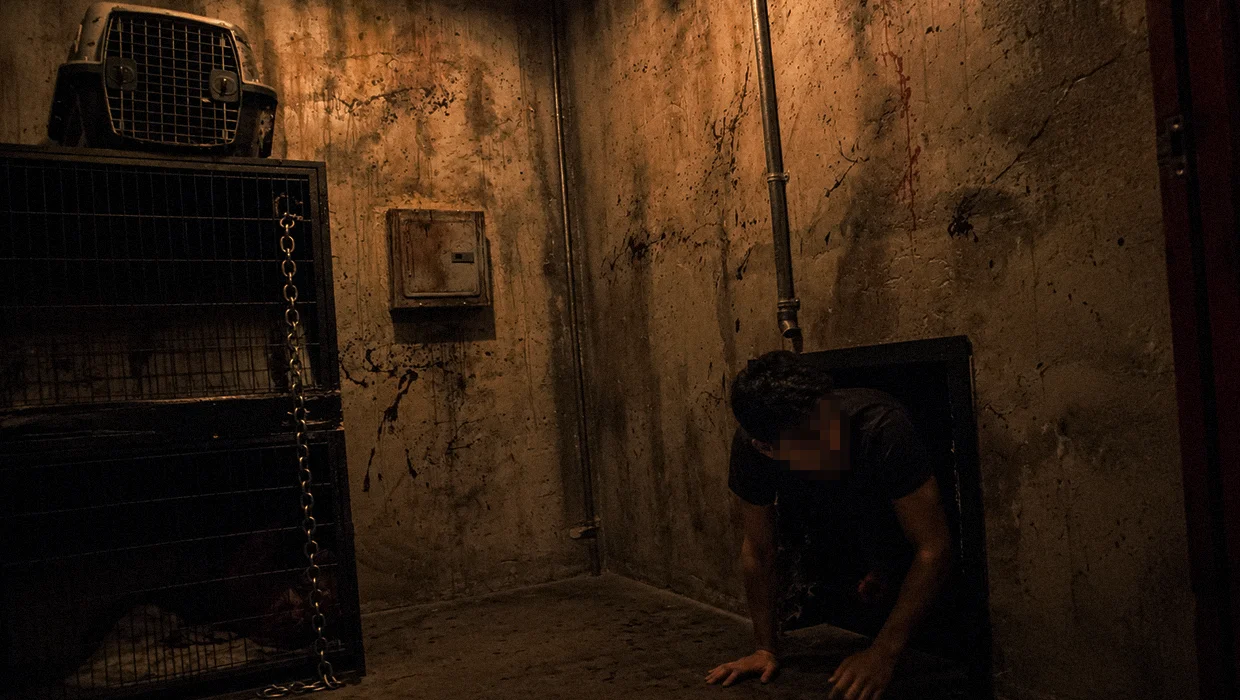
The Basement puts you in the grimy, cramped underground space of Tandy’s house. Dark in a deliberate way. Detailed and unsettling set design. There is a live actor whose presence is central to the experience. The game is non-linear, which means there is a lot to find and connect before the way out becomes clear.
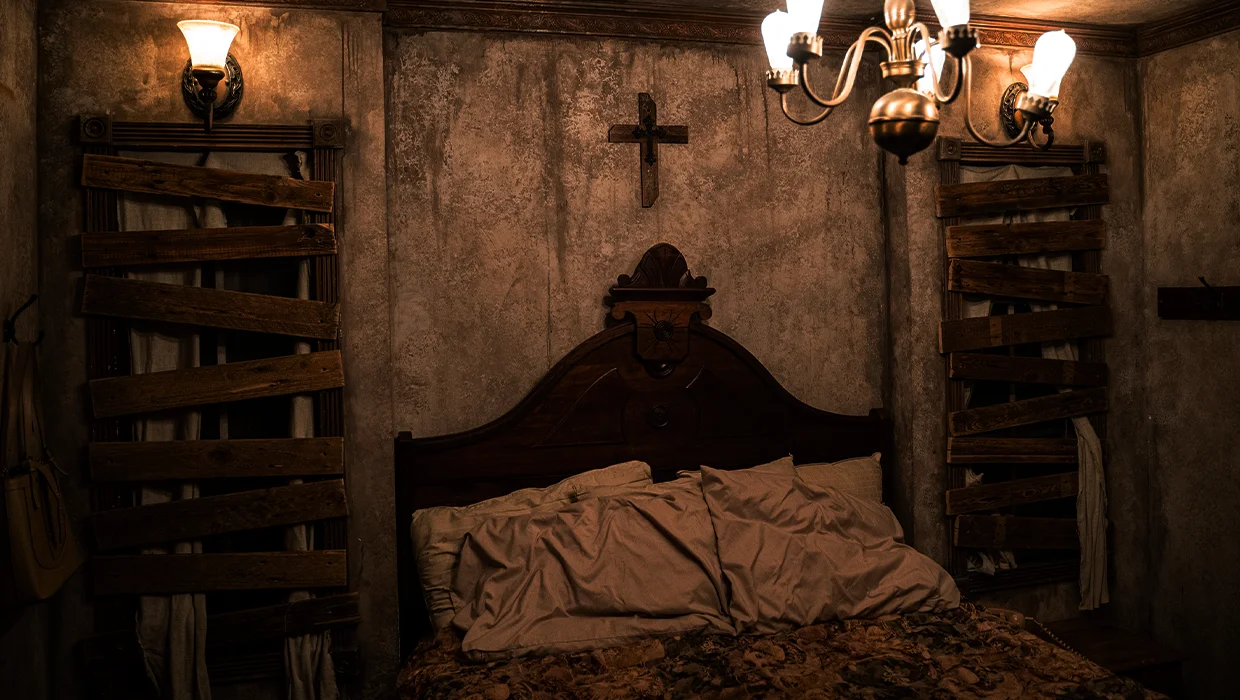
The Study takes you upstairs into a more controlled, elegant part of the same house. Cleaner than the basement, more logic-driven. The actor here is deaf and blind, which changes how the interaction feels entirely. You cannot yell for help and expect a response. Movement and proximity become part of the tension. The game also separates one player from the group at a key moment, which most players find unexpectedly affecting.
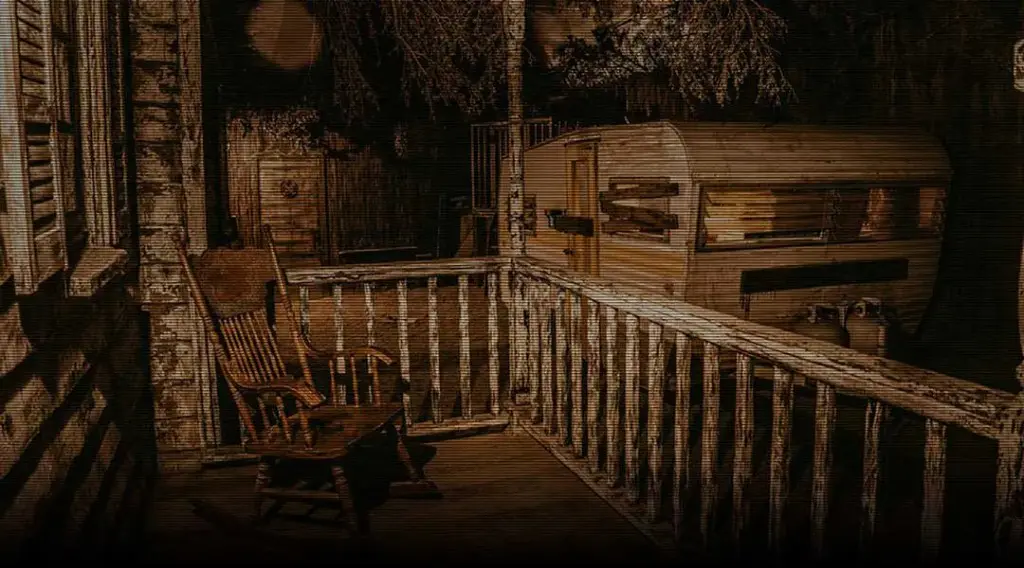
Dead and Breakfast is a longer VIP experience spanning multiple rooms. A step up in scope and investment compared to a single-room booking.
The live actor question
Both The Basement and The Study have live actors. This is where most first-timers’ anxiety lives, so it’s worth being specific.
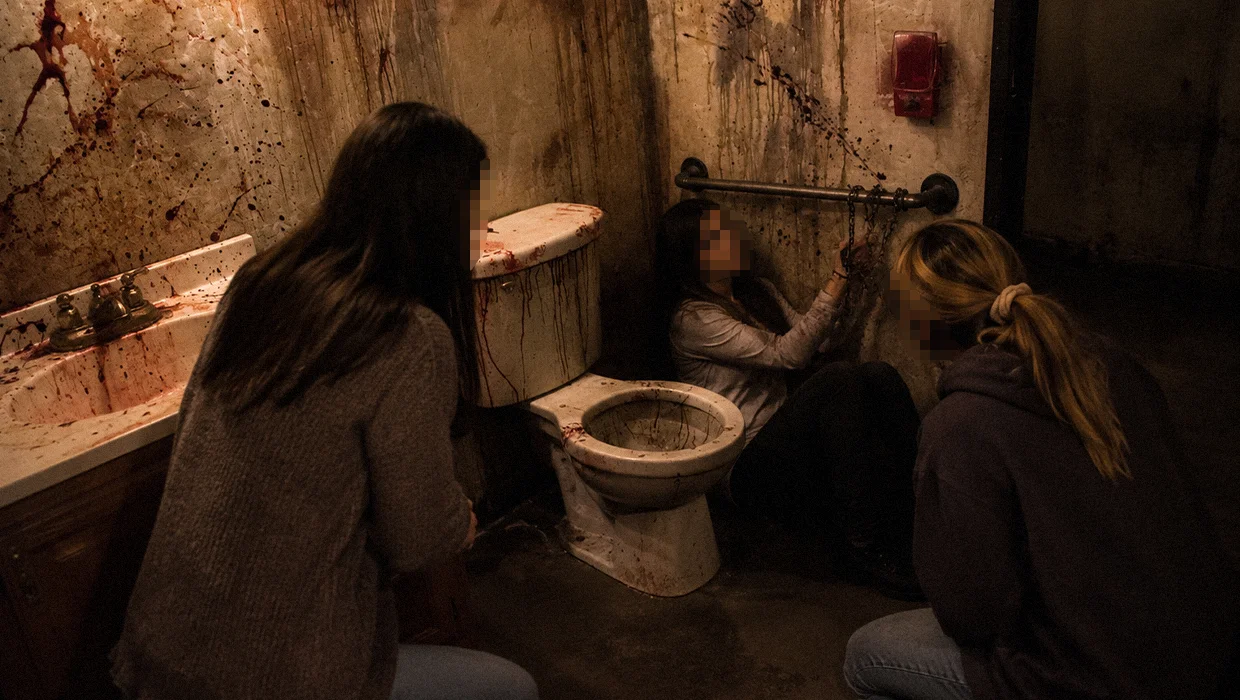
Actors in these rooms interact with you as part of the story. They may come close. They may make physical contact. In The Study, there is a moment where contact is required to advance the game. They are performing a character, not improvising around you chaotically.
What they do not do: surprise you from a closet for cheap effect, move aggressively, or make you feel unsafe. There is an emergency exit in each room and you can leave at any time.
One more thing worth knowing: you are not allowed to touch performers unless the performer clearly indicates it is part of the game. This is not a small policy point. It is how the dynamic of the room works. They can enter your space. You do not enter theirs.
Will it be too scary?
For some people, yes. For others, the scariest part is a deadline-pressured puzzle.
The rooms are intense and story-driven. The scare comes from atmosphere and from the accumulating dread of the setting, from the presence of an actor whose behavior you cannot fully predict. They are not built around gore, shock imagery, or strobe effects. Players who lean into atmospheric fear find the experience genuinely affecting. Players who stay focused on the puzzles find it intense but manageable.
If you get stuck, help arrives in story-based form. There is no button you press to summon a hint card. The game gives you what you need when you need it, woven into the experience rather than offered as a break from it.
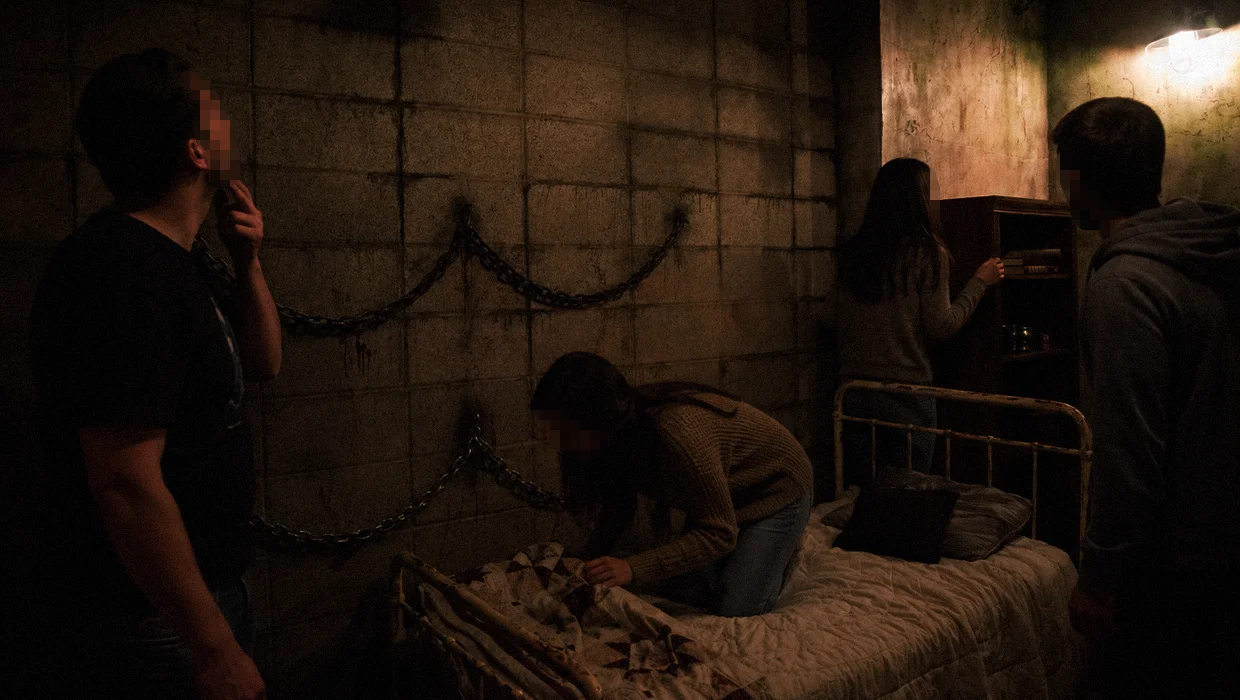
The other common worry: looking scared in front of your group. The rooms are private. Only your group is in there, for the full 45 minutes. No strangers, no pairing with other players. Whatever happens in that basement stays between you.
What to know before you book
Minimum tickets are two on weekdays and four on Fridays through Sundays. You cannot book a room for just one person.
The game runs 45 minutes inside the room. Plan for around 90 minutes total to cover check-in, waivers, the pre-game briefing, and wrap-up. Vegas traffic permitting.
The rooms are recommended for ages 12 and up. Anyone under 18 needs a ticketed adult in the room with them at all times.
Walk-ins may be possible but advance booking is the practical choice. Vegas weekends fill faster than you’d expect.
Which room to start with
If you are new to horror escape rooms and want the full experience with a live actor and a non-linear challenge, The Basement is the one people recommend most. The organic praise it earns from experienced escape room players is notably strong. Players who have done rooms across multiple cities consistently point to the Las Vegas location in particular.
If you want something more linear and cerebral, with a different kind of actor interaction built around proximity and a memorable separation mechanic, The Study is worth the comparison.
Either way: the apprehension you feel looking at this page is part of the point. The rooms are designed for people who are curious enough to push past it.
If you’re in Las Vegas and want an experience that actually feels like something, The Basement is a serious option.