Horror Escape Rooms in Los Angeles: What to Actually Expect Before You Book
Thinking about a horror escape room in Los Angeles? Here's what it actually feels like, what scares you, what doesn't, and what to know before you book.
Most people picture a horror escape room as a haunted house you can’t leave. That’s not quite right. In practice, it’s more interesting than that, and in some ways, more unsettling.
If you’re looking at horror escape rooms in Los Angeles and trying to decide whether you’ll enjoy it, here’s the version without the marketing spin.
It’s not a haunted house
Haunted houses move you through on a track. An actor jumps out, you scream, you shuffle forward. The whole exchange takes about four seconds.
Horror escape rooms work differently. You stay in one space, or a small connected set of spaces, for 45 minutes. You’re solving puzzles, tracking clues, moving through a story. The horror is ambient. It builds. When something startling happens, it lands harder because you didn’t see it coming from a queue line.
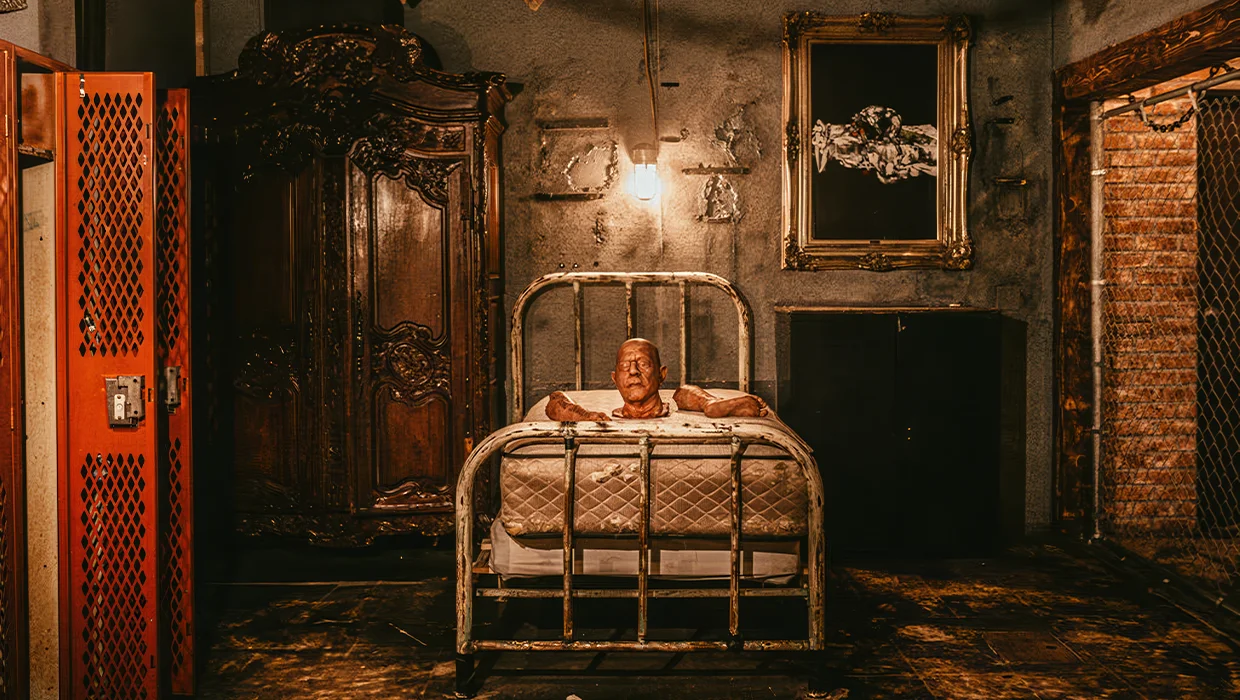
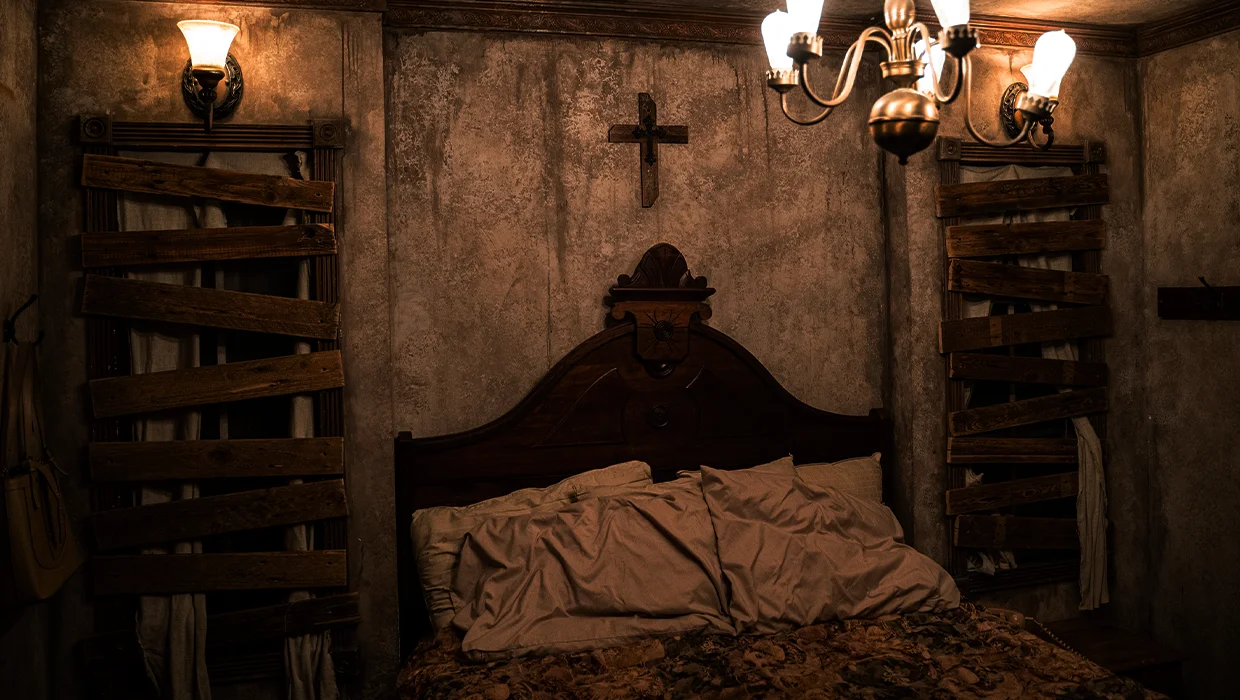
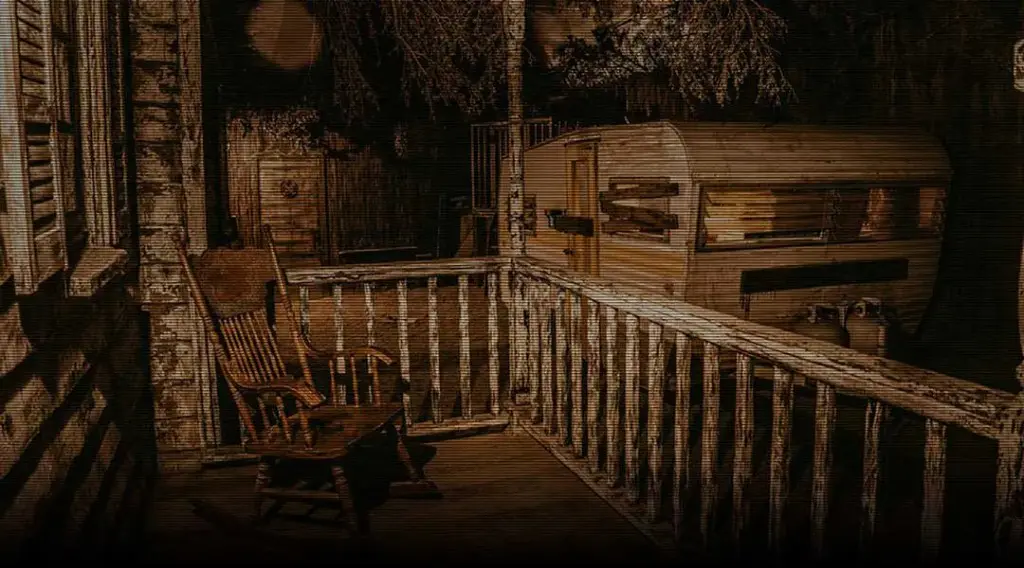
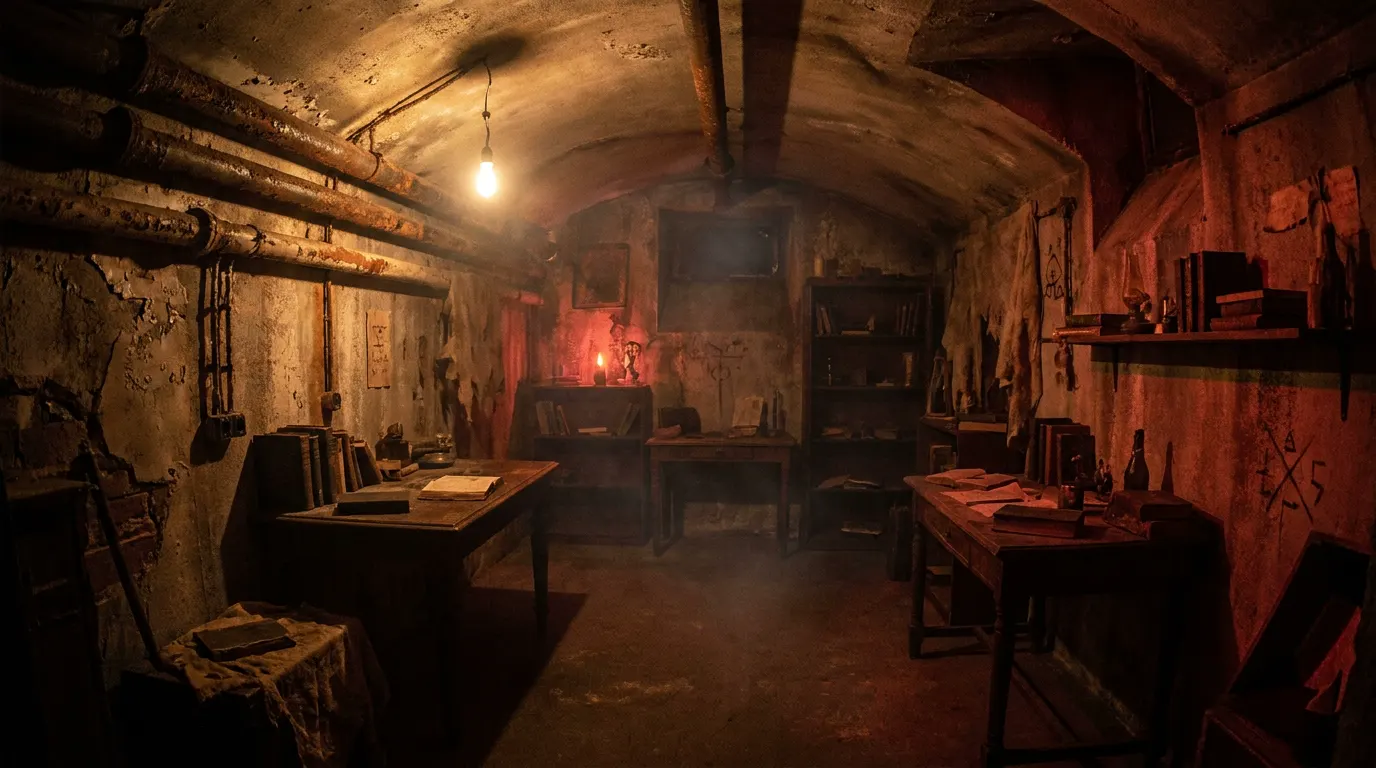
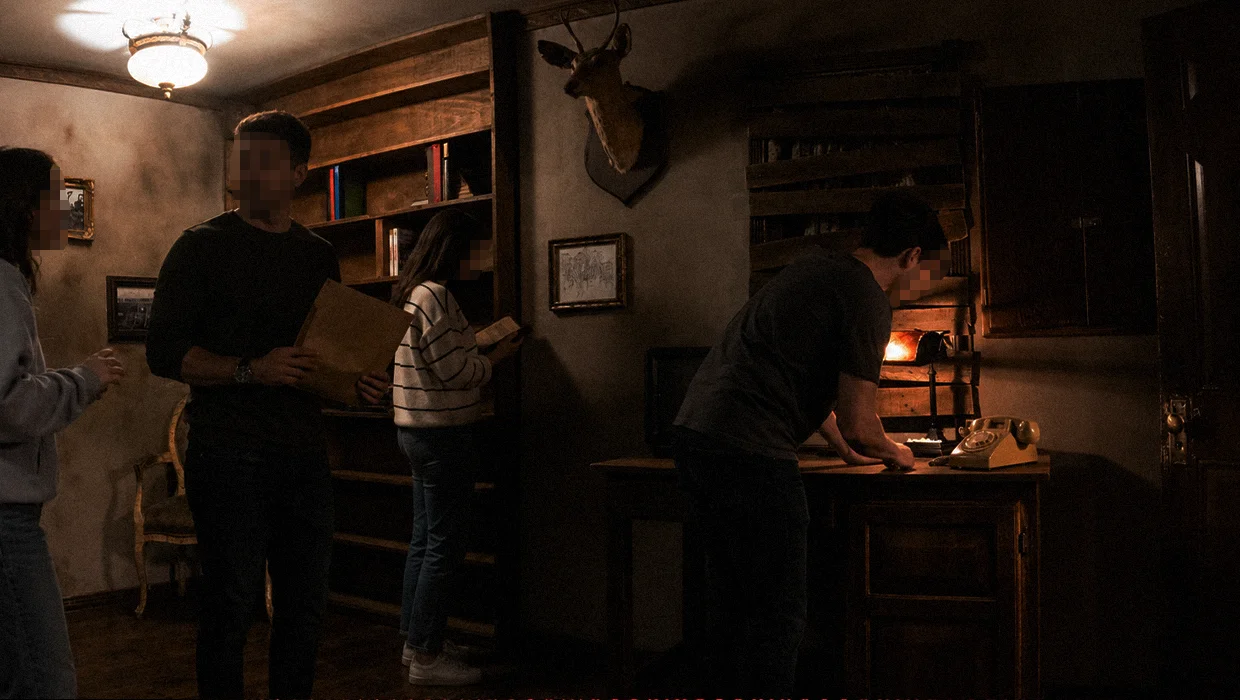
The Basement in Los Angeles is built around a single character: Edward Tandy, a man whose house you’ve walked into. The rooms you’ll experience are his basement, his study, his courtyard, his elevator shaft. You’re not moving through a generic haunted attraction. You’re inside a specific story, and that specificity is what makes it feel real.
How scary is it, exactly?
The honest answer is: it depends on what scares you.
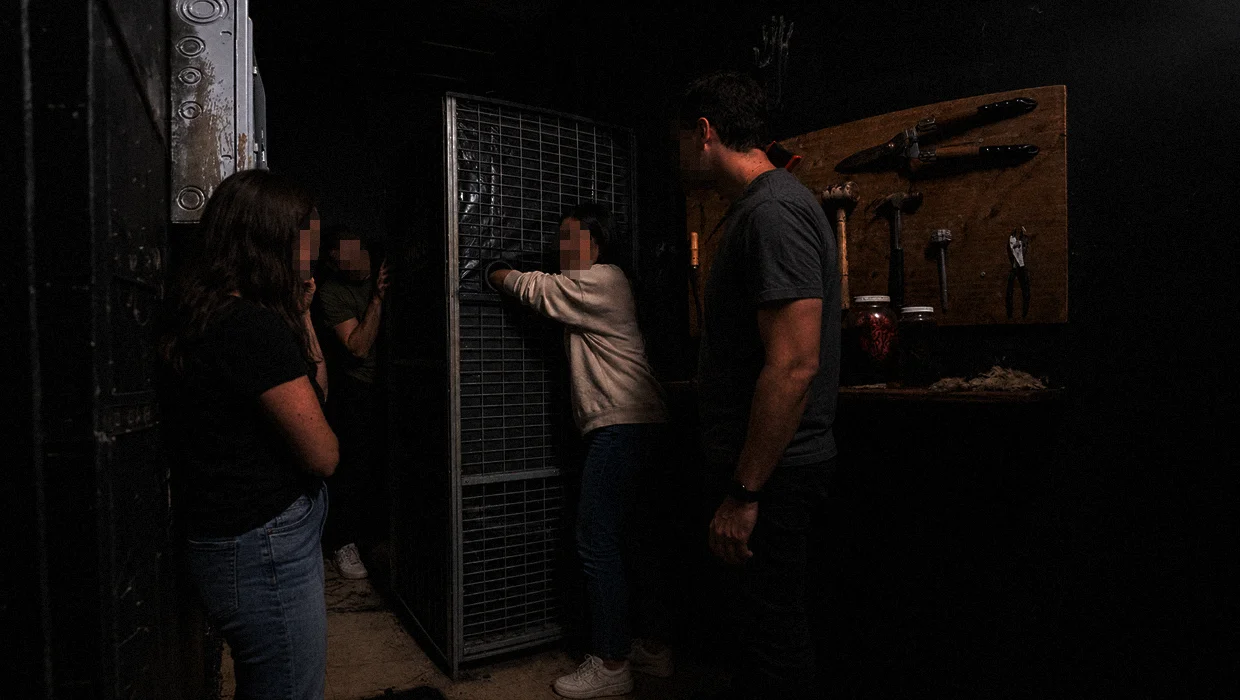
That’s not a cop-out. The Basement doesn’t rely on sudden loud sounds or cheap shock effects. The experience is atmospheric, suspenseful, and story-driven. For people who get rattled by tension and dread, by the feeling that something is wrong and getting worse, it’s genuinely intense.
For people more scared of being close to a stranger in character: yes, The Basement’s actor-driven rooms have live performers who interact with you directly. That’s the design. They respond to what you do. They stay in the world of the game. They are not there to reassure you.
That said, every room has a clearly marked emergency exit or panic button. If you need to leave at any point, you can leave. Knowing that exists changes how brave you’re willing to be.
Which rooms have live actors
Not all of them. This is worth knowing before you decide which room to book.
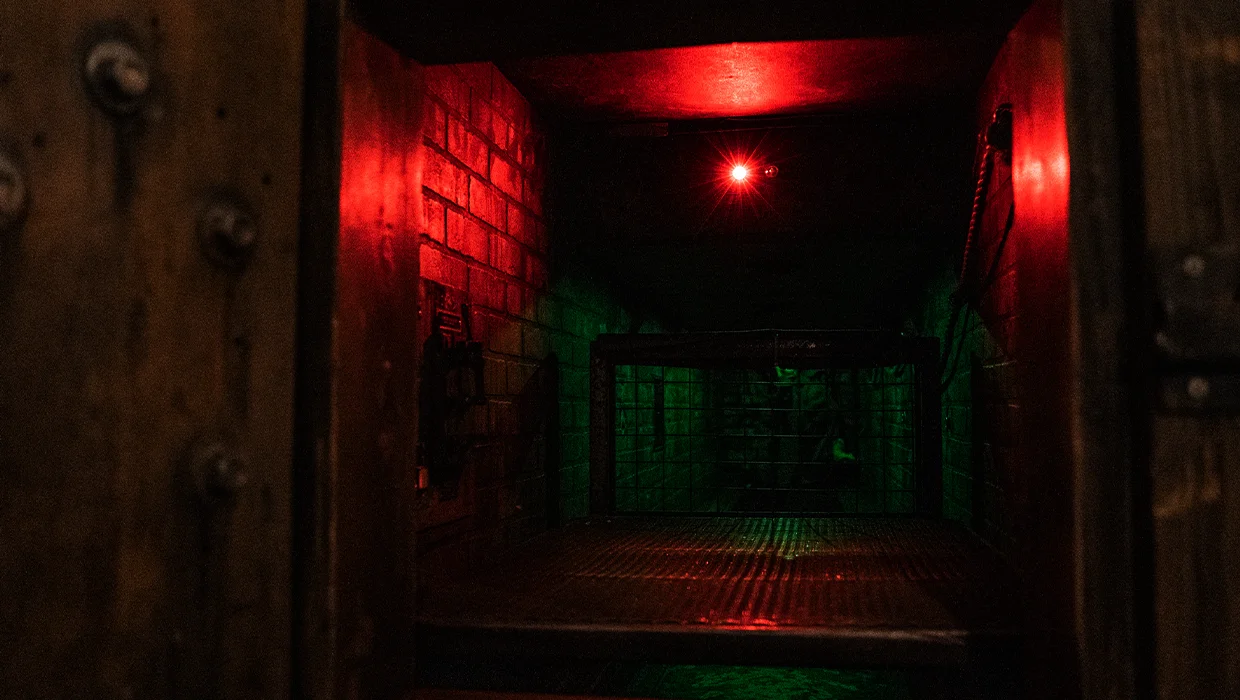
In Los Angeles, The Basement (the signature room), The Study, and The Courtyard all have live performers. The Elevator Shaft does not. That last one deserves a specific call-out: it’s physically cramped, claustrophobic in the truest sense, and rated among the more intense experiences on site, without a single actor. The scare comes from the space itself.
If someone in your group is nervous about close performer interaction, The Elevator Shaft is a real option. If you want the full actor-driven experience, you’re looking at The Basement, The Study, or The Courtyard.
One note on The Study specifically: some contact with the performer is required for the game to progress. Not aggressive, not unsafe, but not optional. If that would be a problem for anyone in your group, better to know before you go in.
What the first few minutes actually feel like
Most people walk in expecting to be embarrassed. Either they’ll be too scared, or they won’t be scared at all and the whole thing will feel awkward.
Almost nobody experiences either of those things past the first few minutes.
What actually happens: you get a brief orientation, enter the room, and the game begins. The first five minutes are orientation anxiety. You’re scanning the space, figuring out what to touch, where to look, who’s going to talk first. Then the group finds a rhythm. Then something changes in the room. That’s where the real experience starts.
The game runs 45 minutes. Plan about 90 minutes total on-site: check-in, waivers, pre-game briefing, the experience itself, and a few minutes after. It’s a full evening, not a quick stop.
Clues exist when you need them, but they don’t work like a hint button at a standard escape room. Help arrives through the story, not as a time-out. That’s part of what makes The Basement feel different.
Your group, your room
Escape rooms are social in a specific way. The pressure of the situation surfaces things: who leads, who freezes, who absolutely will not open the scary door.
For a first date, that tends to work in your favor. For a friend group that’s done everything together, it’s usually the most memorable two hours of the year. For a couple in a rut, it’s something genuinely new to do.
Every standard booking is already private. Your group only, no strangers added. Most rooms hold up to 10 people. The Elevator Shaft caps at 6. On weekdays, you can book with as few as 2 tickets. Weekends require a minimum of 4 for most rooms. The Elevator Shaft stays at 2 tickets any night of the week.
A few practical things before you go
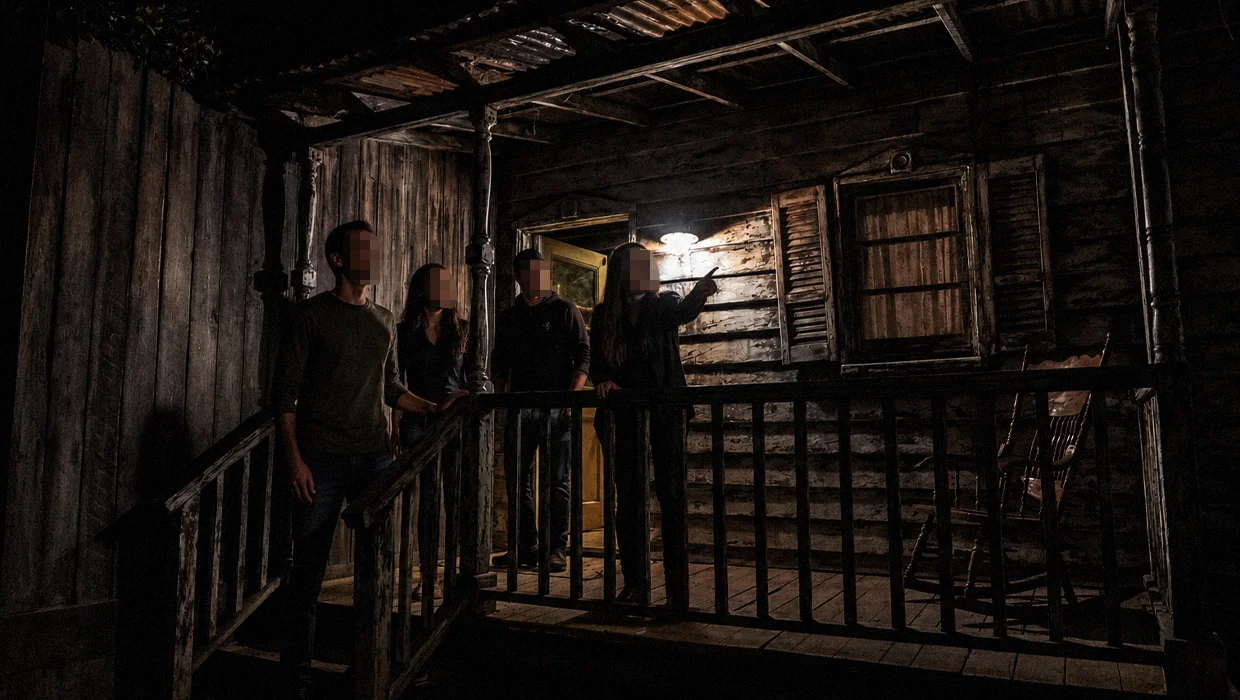
The experience is recommended for guests 12 and older. Anyone under 18 needs to be accompanied by a ticketed adult (18+) who stays with them the whole time. The younger end of that range is parent’s call.
Walk-ins may be possible, but you really don’t want to bank on it. Book in advance, especially on weekends.
If you want to see all four rooms in one visit, the Dead and Breakfast package lets you run back-to-back experiences in a single night.
Worth it?
The question comes up constantly in LA forums. People who’ve done The Basement come back with the same answer: yes. Veteran escape room players, people who’ve done 50 or 100 rooms, name it among the best they’ve experienced. First-timers come out surprised by how good it was.
The Basement doesn’t oversell its rooms. The sets are built. The actors are trained. The story holds up. If you’ve been on the fence about trying a horror escape room in Los Angeles, that consistency is worth something.
Check room availability and book at /los-angeles/. The best time slots go fast, especially Friday and Saturday nights.