Team Building That Actually Works: Why Escape Rooms Beat Everything Else in Kansas City
Team building doesn't have to be awkward. Here's why escape rooms work better than trust falls, rope courses, or dinner events for building real team cohesion.
Most team building events exist to check a box. The company schedules it, you go, you endure it, everyone pretends it was fun, and nothing changes Monday morning.
That’s not a failure of execution. It’s a failure of design.
Real team building isn’t about forced fun. It’s about creating a situation where the artificial social barriers actually matter less than the work you have to do together. When stakes feel real and the task requires genuine collaboration, people stop performing for each other and start actually working as a team.
That’s why escape rooms work where rope courses and trust falls don’t.
The team building problem most managers don’t talk about
You book an event. The team goes. Everyone’s awkward because no one chose to be there. Someone dominates the room, someone checks out, and you leave with the same interpersonal dynamics you walked in with.
The research on why traditional team building fails is consistent: activity-based events (trust falls, scavenger hunts, escape rooms done poorly) generate a short dopamine spike but don’t change how people actually work together. They’re forgotten by Wednesday.
What does work is creating a shared challenge that forces real collaboration. The challenge can’t feel corporate. It can’t feel staged. People have to feel like the outcome actually matters, even if intellectually they know it doesn’t.
An escape room puts your team in a locked room with a 45-minute timer and tells them they have to solve problems together to get out. The stakes feel real. Your job title doesn’t matter. Your seniority doesn’t matter. The person who wouldn’t normally speak up now has to because the puzzle won’t solve itself.
How team dynamics actually improve
Escape rooms create three specific conditions that traditional team building doesn’t:
First, clear failure states. You either escape or you don’t. This clarity matters. When the goal is vague (bond, relax, have fun), people show up cynical. When the goal is specific and measurable, people actually engage.
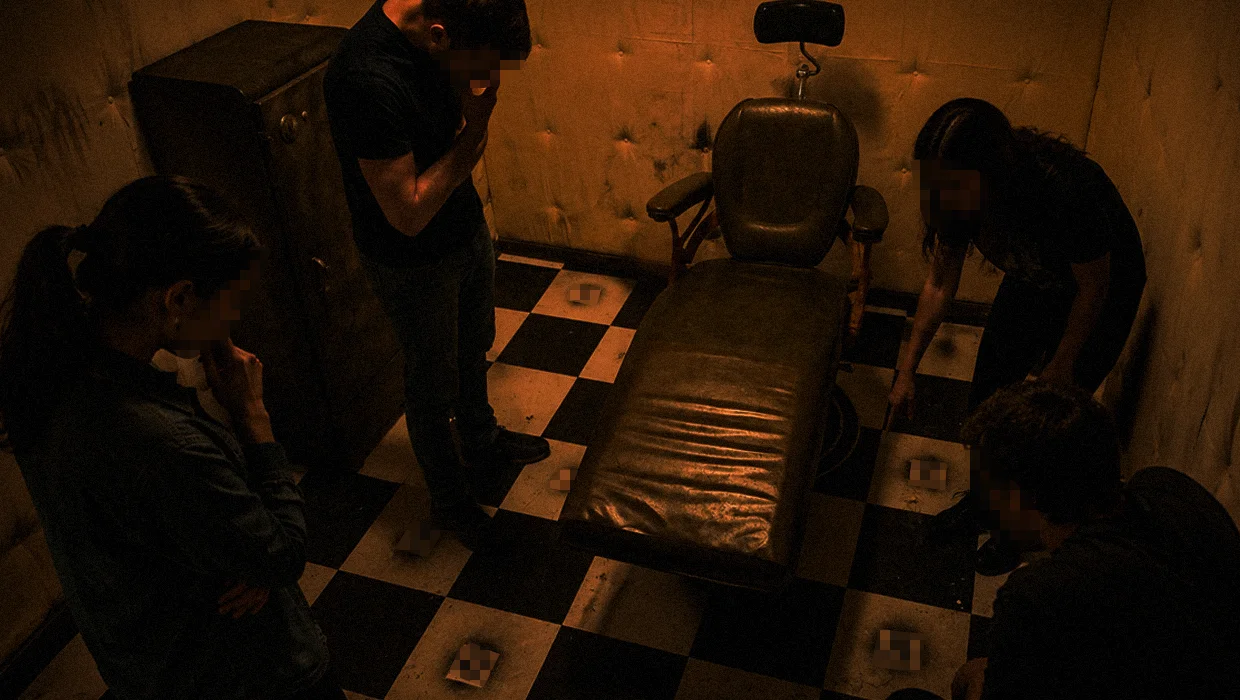
Second, natural role emergence. Your team spontaneously divides labor. Someone becomes the puzzle analyzer, someone becomes the notetaker, someone becomes the communicator with the host. These aren’t assigned roles — they emerge based on who’s good at what. That’s how real work actually functions, and it creates a microcosm of how your team operates under pressure.
Third, real communication under constraint. You can’t slack off because you’re visibly idle. You can’t hide because the room is small and the timer is visible. People talk to each other because they have to. That’s when you discover who gets frustrated easily, who’s creative under pressure, who listens, who gets defensive, and who stays calm.
You walk out knowing your team better than an eight-hour offsite would teach you.
Why Kansas City’s team building scene is underwhelming
Most team building in Kansas City defaults to: brewery tour, ax throwing, outdoor adventure company, or bringing in a facilitator to run games in a conference room.
These aren’t bad. They’re just forgettable. Your team does them, and everything reverts to normal.
The Basement works because it’s designed specifically for teams that want to actually understand each other better. You’re locked in a room. There’s no pretending. There’s no opting out. You have to work together or you lose time you can’t get back.
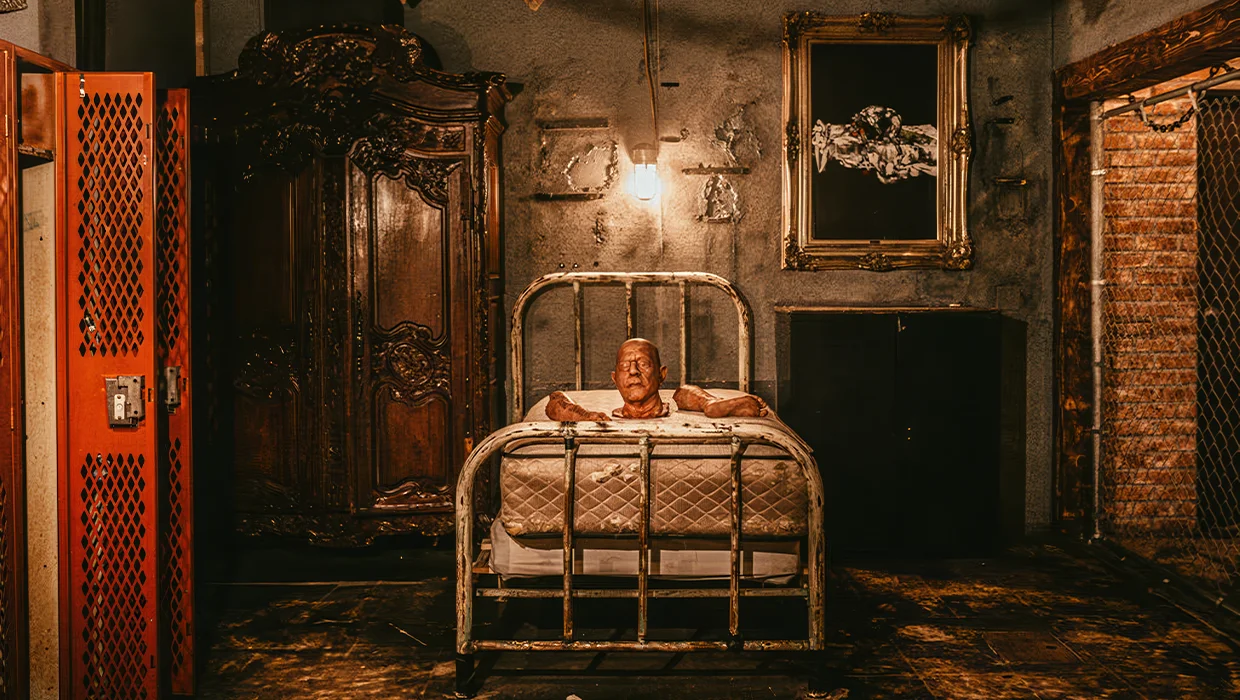
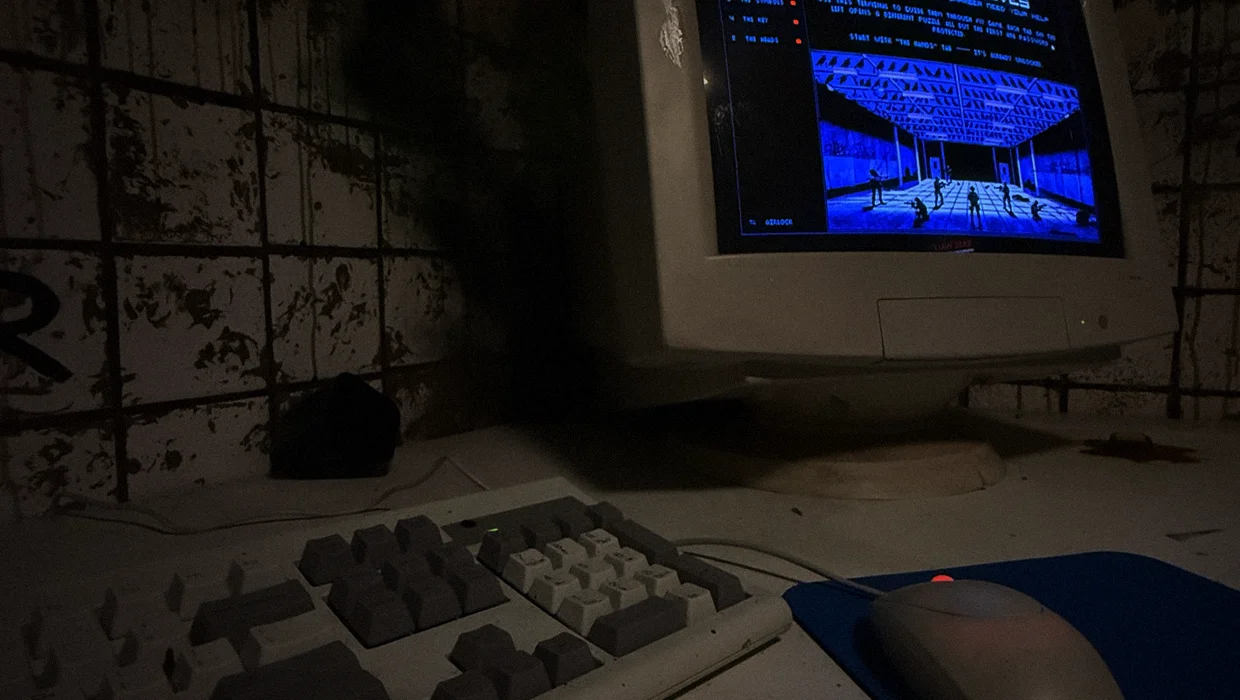
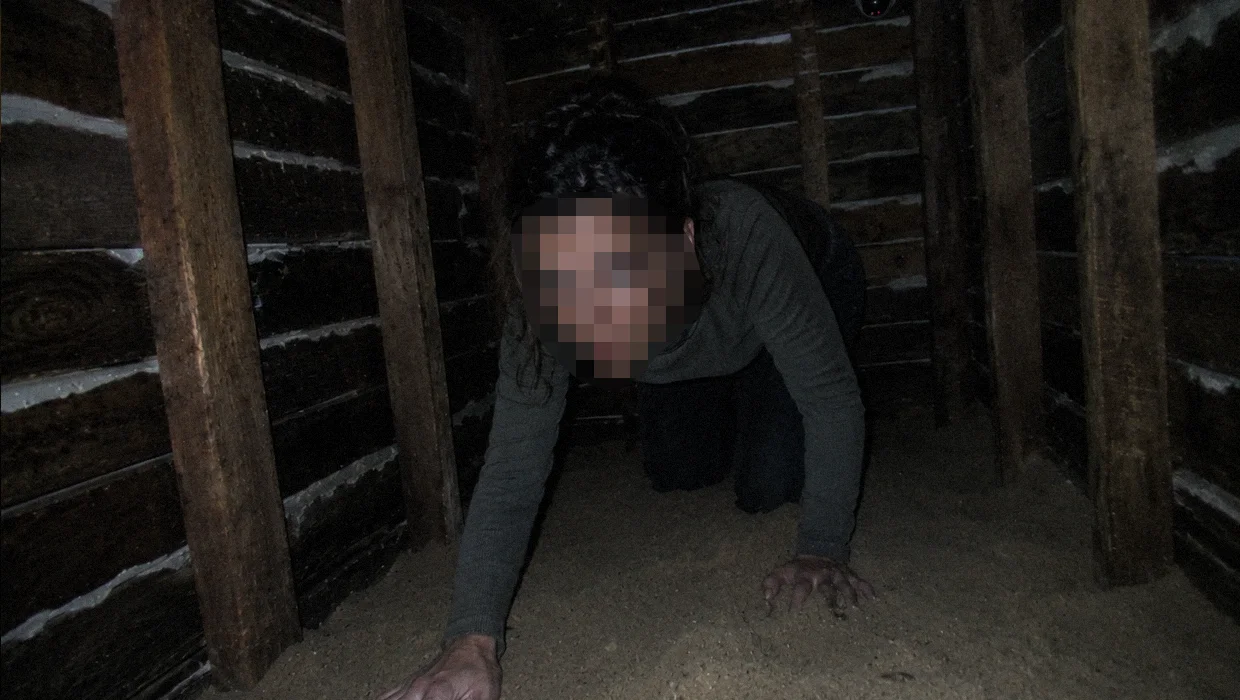
The Basement Unhinged puts you in Edward Tandy’s grungy basement, separated from the start, crawling through tight spaces, and working with a live performer to solve an increasingly complex story. The experience is story-first, so it doesn’t feel like a “team building exercise.” It feels like something actually happening to your group. That distinction matters for team psychology.
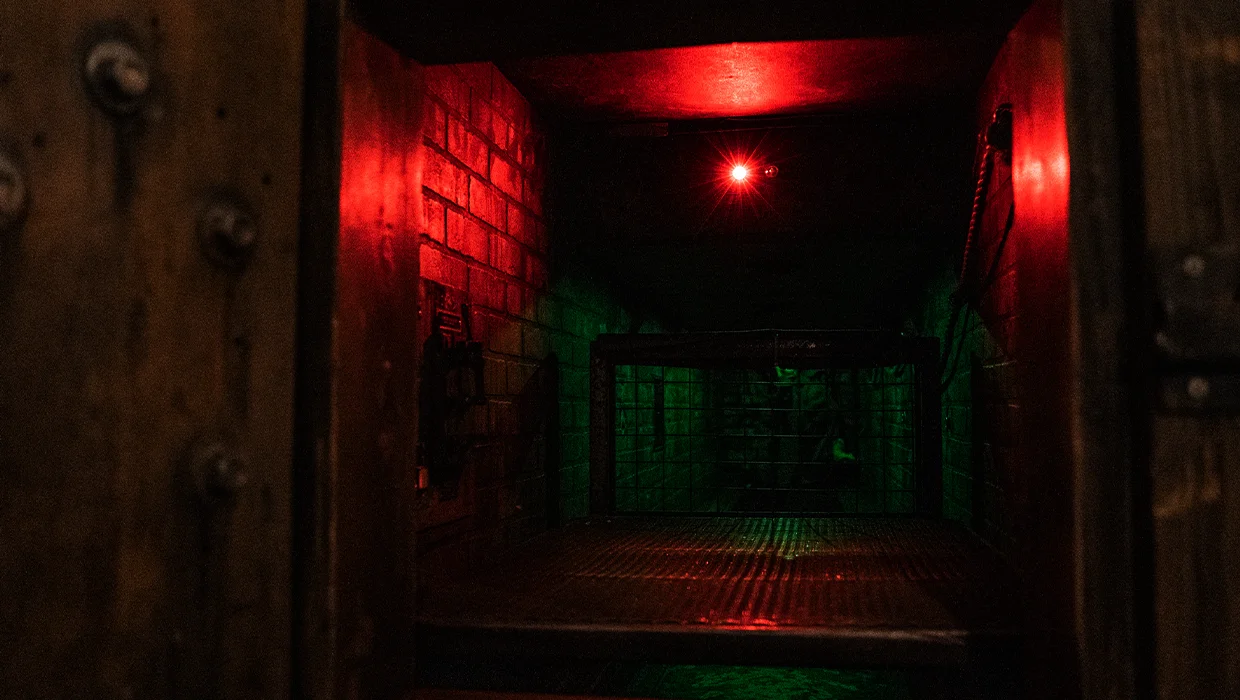
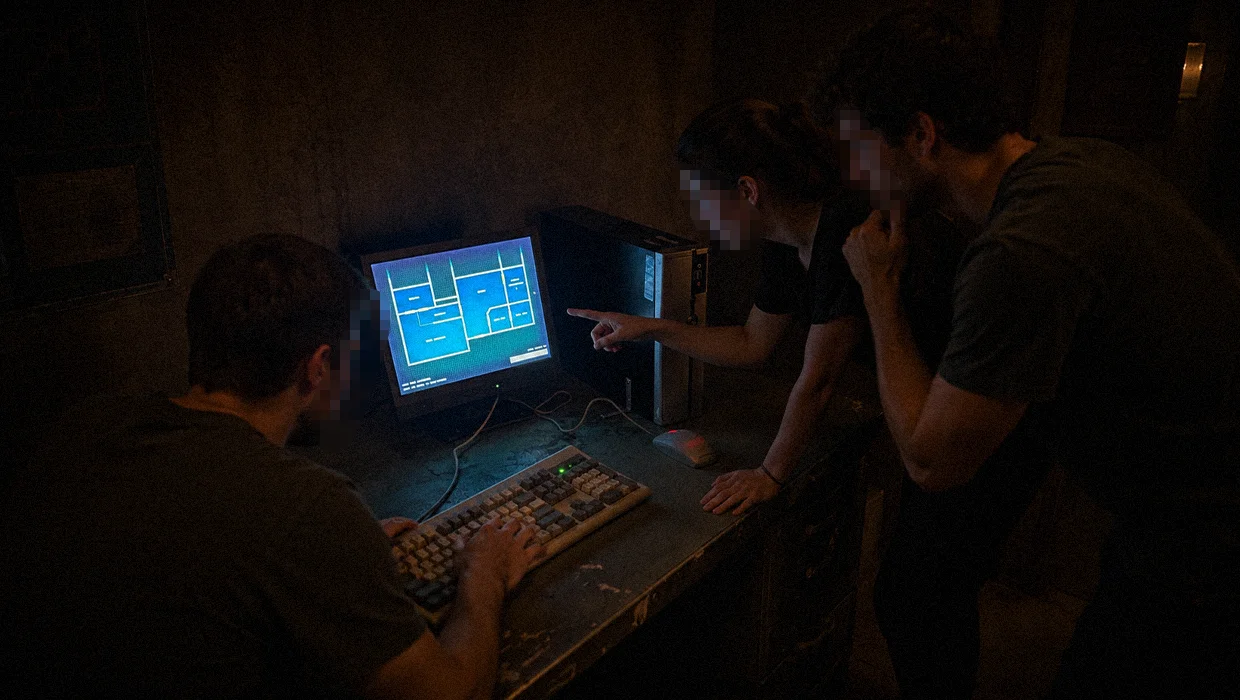
The Aviary takes a different structural approach: half your team is in complete darkness solving tactile puzzles while the other half is in an office reading clues and guiding them via walkie-talkies. Communication becomes everything. You can’t rely on visual cues. You have to describe clearly, listen carefully, and stay coordinated under pressure. Some teams find this format even more revealing about how they actually communicate.
How to actually run this as a team event
The best part about escape rooms for team building is they don’t require facilitation. You show up, you play, you leave. There’s no worksheets, no post-game discussion if you don’t want one.
But if you want to extract more value, here’s the framework:
Before: Tell the team it’s not about winning. The goal is to see how you solve problems together. Set the frame that this isn’t your job, but it will tell you something about how you work. That framing difference prevents people from showing up cynical.
During: Let the team play. The host will watch and offer hints when needed. Your job as the organizer is to shut up and let the team work.
After: If you want, debrief in the way back or over drinks. Ask: Who took charge? Who suggested ideas? Who stayed calm when things got stuck? Who listened? Use what you learned. That’s team awareness. You can carry that into actual work.
The Basement handles groups of two to twelve. Most teams show up with 4–8 people. If your team is larger, you can split across two rooms and run them simultaneously, then debrief about how each group approached the same problem differently.
The numbers on team building ROI
Corporate team building budgets vary wildly. An all-day offsite runs $200–400 per person. A rope course is $150–250. An escape room at The Basement is significantly less.
More important than cost is retention and engagement. Groups that do escape room team building report higher engagement metrics not because the event was flashy, but because it was real. You can’t fake your way through a puzzle. You can’t perform for the camera. It’s just your team and a problem.
That’s why people remember it.
How to book for your team
Call The Basement and tell them you’re booking a team event. Explain your group size and whether you want the pure puzzle experience (faster problem-solving) or the narrative experience (The Basement Unhinged — more story, more performer involvement).
Budget 90 minutes on-site. Book in advance — weekday slots fill up less than weekends, and you’ll likely get a better time.
If your team includes someone with claustrophobia or significant anxiety, mention it beforehand. The Basement can adjust expectations and set you up for success.
And honestly? Don’t oversell it. Don’t tell your team “this is going to be the best day ever.” Just say: “We’re doing an escape room. It’s a puzzle. You have 45 minutes. Let’s see how we do.”
That approach gets you the authentic behavior that actually teaches you something about your team.
The Basement Kansas City — book your team experience.